Ocean Fishing Rods: Heavy-Duty Fishing Rods
Spinning vs. Casting Fishing Rods: Which Option Is Right for You?
The decision between spinning and casting fishing rods has a substantial effect on an angler's experience. Each variety of rod offers specific attributes that suit varying skill levels and fishing preferences. Comprehending these differences is essential for choosing the appropriate equipment. While anglers consider their options, it becomes vital to contemplate various elements that influence performance and success on the water. Which particular requirements should one emphasize when making this choice?
Getting to Know Spinning Rods
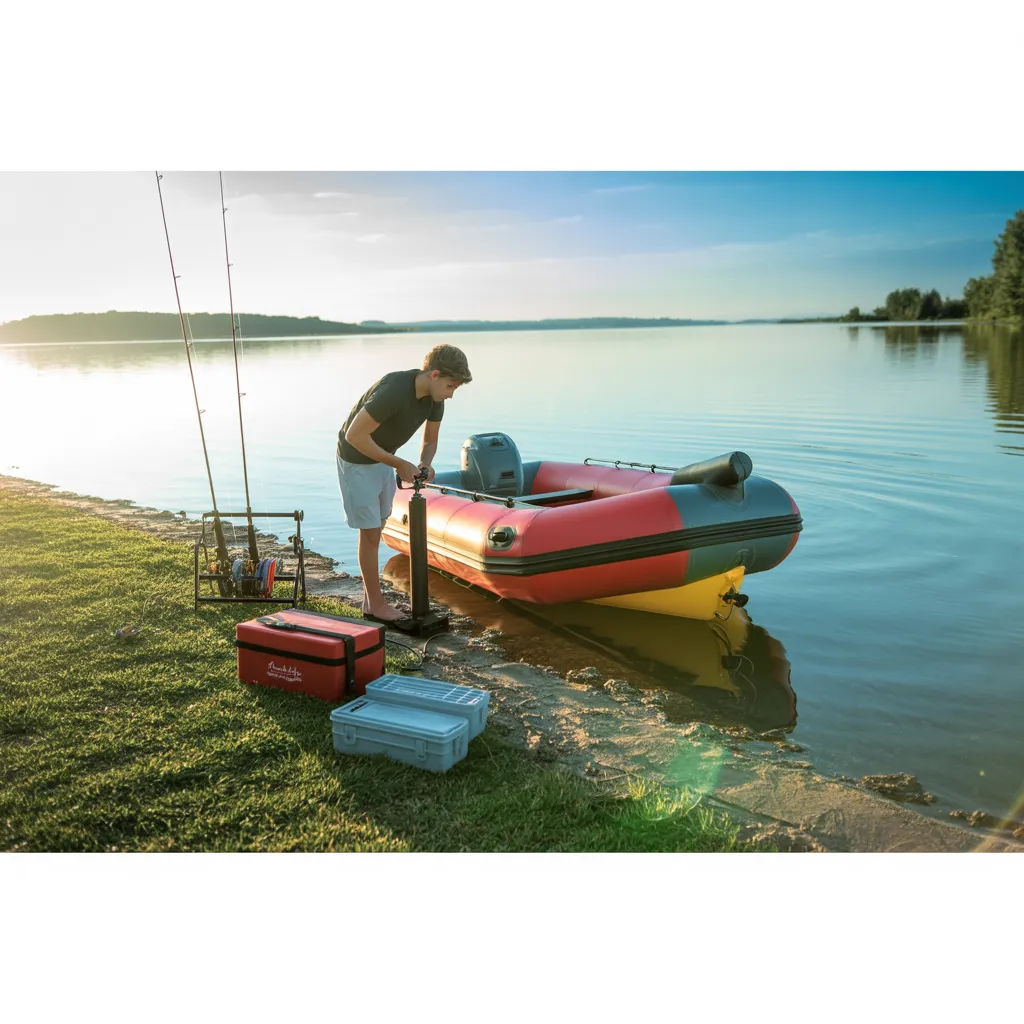
Anglers commonly choose spinning rods for their flexibility and simple operation. Constructed with a unique reel seat placed under the blank, these rods are compatible with spinning reels that provide smooth line retrieval. This arrangement empowers anglers to cast light bait or lures over significant distances, making them perfect for various fishing environments. Spinning rods typically feature a responsive tip, which improves sensitivity and enhances bite detection, permitting anglers to feel even the slightest nibbles.
These fishing rods come in various lengths and actions, accommodating various fishing styles and targets. Whether targeting freshwater species like bass and trout or saltwater species like snapper and mackerel, spinning rods can accommodate a variety of line weights and lure sizes. Their user-friendly design makes them perfect for beginners while continuing to be effective for seasoned anglers, adding to their popularity in the fishing community.
Understanding Rods for Casting
Casting rods function as a supplementary alternative to spinning rods, catering to anglers who favor a different fishing technique. These rods are specifically designed for baitcasting and conventional fishing reels, offering superior control and accuracy when casting. Generally, casting rods feature a stiffer backbone and a shorter length when compared with spinning rods, enabling powerful hook sets and the capability to manage heavier lures and lines.
Fishermen frequently select casting rods for pursuing larger species or fishing in difficult conditions, as they perform exceptionally well in precision casting. The guides on casting rods are located on the top, which aids in minimizing line twist during retrieval. Moreover, casting rods are available in various actions and power ratings, enabling anglers to select a rod that best suits their fishing style and target species. On the whole, casting rods offer an effective alternative for those looking for more finesse and control in their fishing pursuits.
Advantages of Spinning Rods
What has made spinning rods such a favored option among anglers? One key advantage is their versatility; spinning rods support various fishing techniques and target species, making them perfect for both beginners and seasoned fishers. Their easy-to-use design permits effortless casting, even with lighter lures, which is particularly advantageous in finesse fishing situations. Spinning rods also are excellent at handling lighter lines, providing anglers improved sensitivity and better detection of subtle bites.
Moreover, the open-faced reel design promotes fast line retrieval and decreases tangles, boosting the overall fishing experience. Anglers appreciate the ability to cast long distances with minimal effort, which is vital when targeting wary fish. Moreover, spinning rods are usually lighter and more balanced, allowing for prolonged use without fatigue. These advantages collectively contribute to the spinning rod's enduring popularity within the fishing community.
Pros of Casting Rods
Several advantages make casting rods an attractive choice for anglers. They offer extended casting range and better precision control, enabling accurate bait positioning. Additionally, their versatility handles a wide range of bait options, meeting diverse fishing conditions.
Extended Casting Range
Anglers commonly search for the best tools to enhance their fishing experience, and when it comes to increased casting distance, casting rods regularly surpass their spinning counterparts. The design of casting rods generally features a firmer backbone, which enables more energy transfer during the cast, yielding extended distance. Furthermore, casting rods often employ heavier line weights and lures, further contributing to their ability to reach distant targets. The positioning of the reel above the rod permits a more streamlined casting motion, minimizing drag and increasing overall performance. This makes casting rods uniquely advantageous for reaching fish found far from the shore or in open water. Finally, for anglers focusing on distance, casting rods are often the superior choice.
Enhanced Accuracy Control
While both casting and spinning rods have their merits, casting rods deliver superior accuracy control that many seasoned anglers favor. This precision arises from the design of casting rods, which feature a trigger grip and a highly responsive blank. Anglers can more easily manipulate the lure's trajectory, enabling pinpoint placements near structures, such as fallen trees or rocky outcrops. The ability to control the line's tension additionally helps with delivering baits with finesse. Additionally, the use of baitcasting reels allows for direct line control, enabling quick adjustments during a cast. In the end, this level of accuracy is crucial for targeting specific fish species in various environments, making casting rods a preferred choice for those seeking precision in their fishing pursuits.
Flexible Bait Selections
What is it that makes casting rods especially advantageous in terms of bait options? Casting rods provide a broader range of bait choices, permitting anglers to use heavier lures and baits effectively. This capability is crucial for targeting larger fish species, which frequently require more substantial offerings. The stiffer action of casting rods also provides better control over the bait's movement, boosting the angler's ability to mimic natural prey. Furthermore, casting rods can easily handle various techniques, such as flipping, pitching, or using topwater lures. This versatility enables anglers to adapt to various fishing environments and conditions, increasing their chances of success. As a result, the flexibility in bait options makes casting rods a preferred choice for many serious anglers.
Knowing When to Use Each Style of Rod
Deciding between spinning and casting rods is determined by several factors, including the type of fishing being pursued and the skill level of the angler. Spinning rods are generally more suited for beginners because of their ease of use and lighter tackle. They shine in situations requiring finesse, such as targeting panfish or trout in smaller bodies of water. Their design enables accurate casting in windy conditions, making them perfect for different fishing environments.
In contrast, casting rods are preferred for experienced anglers who demand precision and power. They are preferred for heavier lures and greater fish species, such as bass or pike, particularly in freshwater settings. Casting rods also deliver better control when working with heavier lines and bait. Finally, the decision copyrights on the angler's experience and the specific fishing conditions, guaranteeing that the appropriate rod is chosen for the desired fishing experience.
Guidance for Selecting the Right Rod for Your Fishing Style
Selecting the right fishing rod involves understanding your fishing method and preferences. Considerations such as rod length, weight, and the species being targeted play essential roles in this decision. By considering these factors, anglers can choose a rod that enhances their fishing experience.
Master Your Fishing Technique
In what way can anglers find the best rod for their specific fishing style? Grasping one's technique is essential in making this decision. Anglers who prefer finesse techniques often perform well with spinning rods, which provide sensitivity and precision for lighter lures. In contrast, those who perform power fishing or use heavier lures may find casting rods more ideal due to their explore the details strength and control. Additionally, the type of water—whether freshwater or saltwater—can impact rod selection, as particular materials and constructions are more appropriately suited for particular environments. By examining their preferred fishing methods, such as trolling, surface fishing, or jigging, anglers can better align their rod choice with their technique, ultimately boosting their fishing experience and success.
Weight and Length of Rod
When choosing a fishing rod, both length and weight play essential roles in optimizing performance and comfort on the water. Longer rods, typically ranging from 7 to 9 feet, provide increased casting distance and better leverage for fighting fish. They are excellent for techniques needing long casts or fishing in open waters. On the other hand, shorter rods, generally around 6 to 7 feet, provide better control and accuracy, making them ideal for tight spaces like rivers and dense cover.
Weight remains just as vital; lighter rods lessen weariness during marathon fishing periods, while heavier rods may provide greater strength and longevity. Finally, the ideal combination of rod length and weight should complement one's fishing approach and personal tastes, ensuring a premium experience on the water.
Target Species Considerations
Comprehending the target species can significantly impact the choice of a fishing rod. Different species possess unique behaviors, habitats, and sizes, which necessitate certain rod types for maximum performance. For example, anglers targeting larger fish like pike or muskellunge may choose heavy-duty casting rods that can withstand increased strain and provide superior control. On the other hand, for smaller species such as trout or panfish, a lighter spinning rod provides sensitivity and finesse. Additionally, the rod's action—fast, medium, or slow—should correspond to the angler's technique and the species' feeding habits. Ultimately, analyzing the target species ensures that the selected rod improves the fishing experience and boosts the likelihood of a successful catch.
FAQ
Can Novice Anglers Effectively Use Both Spinning and Casting Rods?
Novices can successfully utilize both spinning and casting rods. Every type provides distinct benefits, enabling novices to cultivate different skills. Experience with both can elevate their total fishing experience and versatility in diverse conditions.
How Does Rod Material Influence Performance?
Rod material selection plays a crucial role in performance; graphite provides exceptional sensitivity along with lightweight benefits, while fiberglass provides durability and flexibility. The selection of rod material affects casting distance, strength, and overall fishing experience, impacting the success of multiple angling approaches.
What Is the Average Cost Difference Between the Two Types?
Cost differences between spinning and casting rods commonly range from $20 to $100, with spinning options frequently more economical. Nonetheless, premium options exist in both categories, substantially influencing final prices based on company and component materials.
Are There Particular Brands Famous for Quality Rods?
Several brands are well-known for their quality fishing rods, including Shimano, Abu Garcia, and St. Croix. Each brand presents a array of options, meeting diverse fishing styles and preferences, ensuring anglers identify dependable equipment.
Can You Use Spinning Reels on Casting Rods?
Combining spinning reels with casting rods is generally inadvisable. Casting rods and reels have significantly different designs, leading to reduced performance and uncomfortable handling. These components are optimized for their respective matching equipment.